|
|||||||||||||||||||||
Home
| What's New?
| Get Started
| Site Map
| The Crash
| Contribute
| Resources
| Disclaimer
| Contact
|
|||||||||||||||||||||
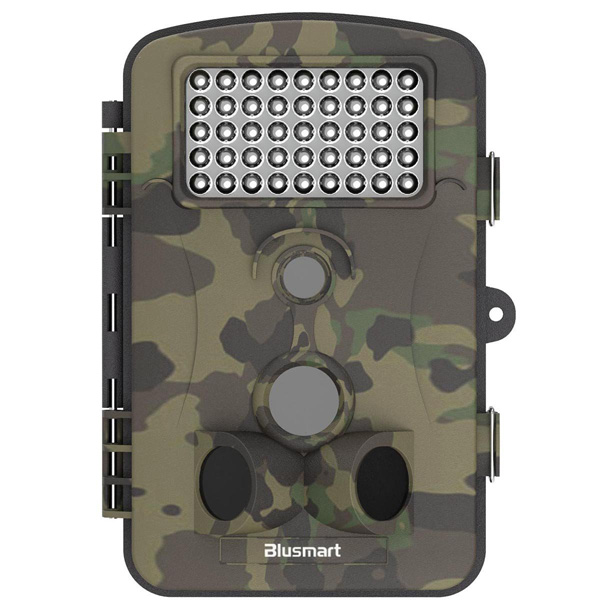
Using a Trail Camera to Practice Trapping and/or Study AnimalsA trail camera is a camera which you leave somewhere, usually outside, and it automatically takes pictures or video when it detects motion. Since most of Australia's mammals are nocturnal, we rarely see them. A trail camera is the ideal way to learn about them. Whether or not you're not interested in learning to trap for survival purposes (or for any other reason).
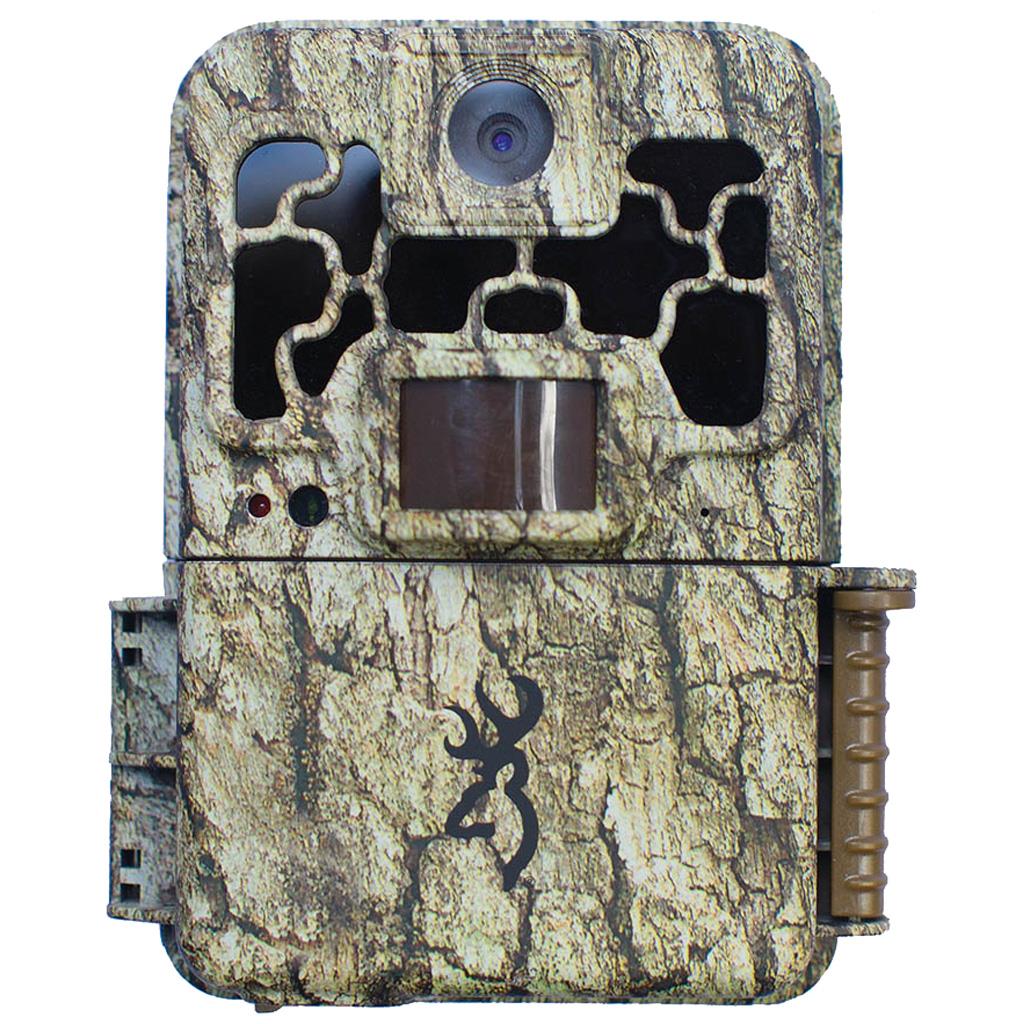
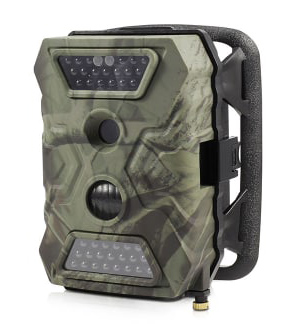
Most trail cameras have the capability to take pictures at night, with a built-in flash. Many models have an invisible infrared flash, so that the flash happens and the photo is taken without anything being seen other than the camera just sitting there, apparently doing nothing. Usually trail cameras painted with a "camo" type of colouring and are waterproof enough to be left out in the rain. They can be tied or strapped onto a tree or other structure, or mounted on a tripod like you'd use with an ordinary camera. Usually it's possible to strap them (for e.g. to a big tree trunk) with a steel cable similar to a bicycle lock as a theft deterrent.
If you live in an ordinary residential area, it can be somewhat difficult to learn and to practice your trapping skills. You can learn to make and set up traps, but you can't leave them set nor catch anything in them. Apart from a few very limited situations like an indoor mouse or rat trap. It's illegal to set traps in most domestic environments, and for good reason — you'd be likely to kill someone's beloved pet cat or dog. It's also illegal to kill many native animals, especially mammals.
This limitation leaves the other half of trapping (leaving your traps set up in the field, and catching animals) completely unexplored territory for most people in modern society. So how can you learn to trap without having to kill anything? The answer is to learn to trap with a camera trap, a.k.a. trail camera.
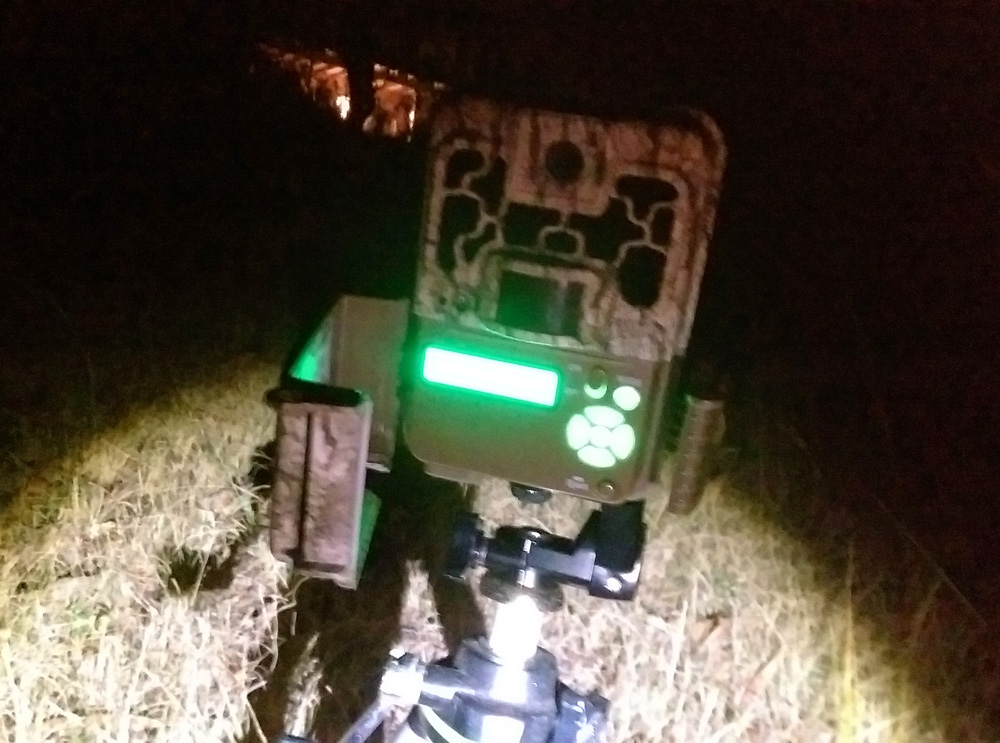
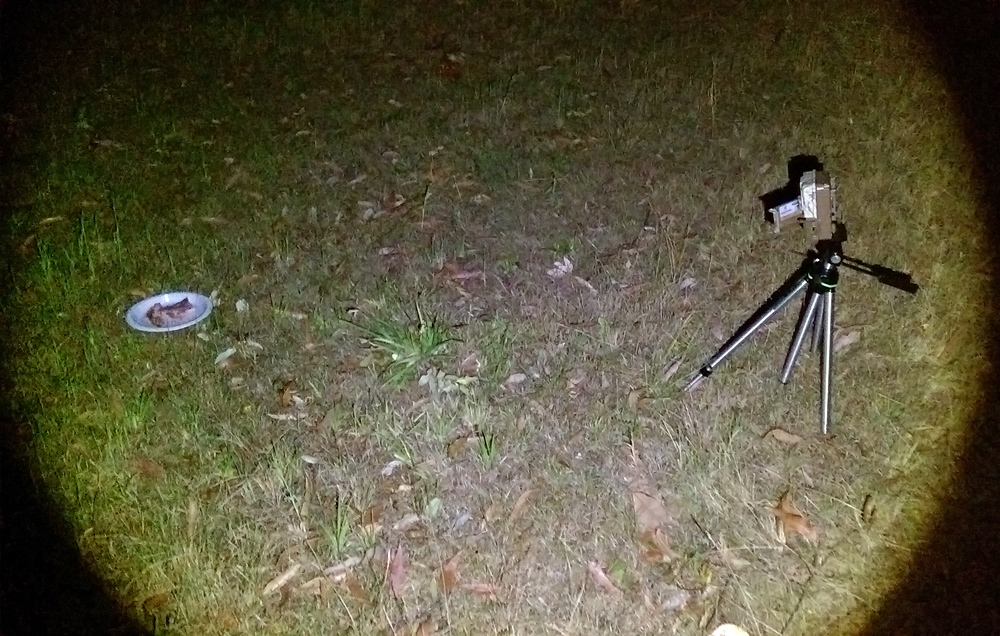
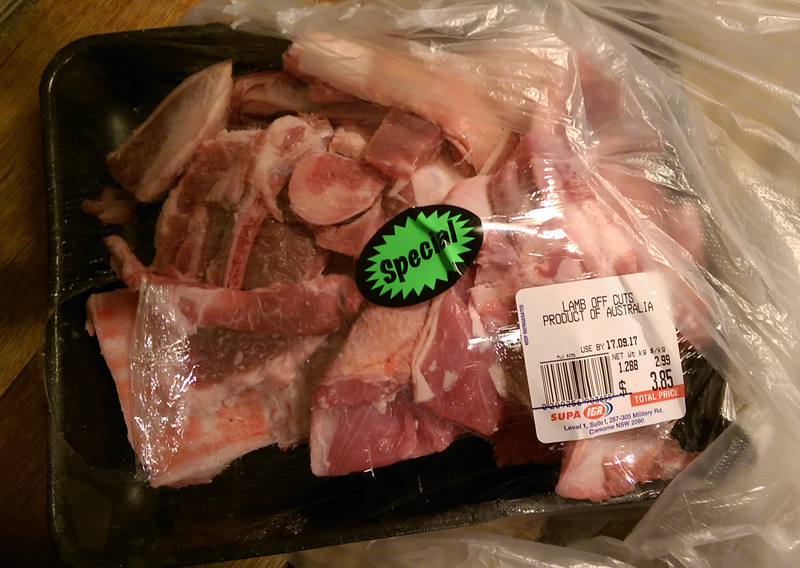
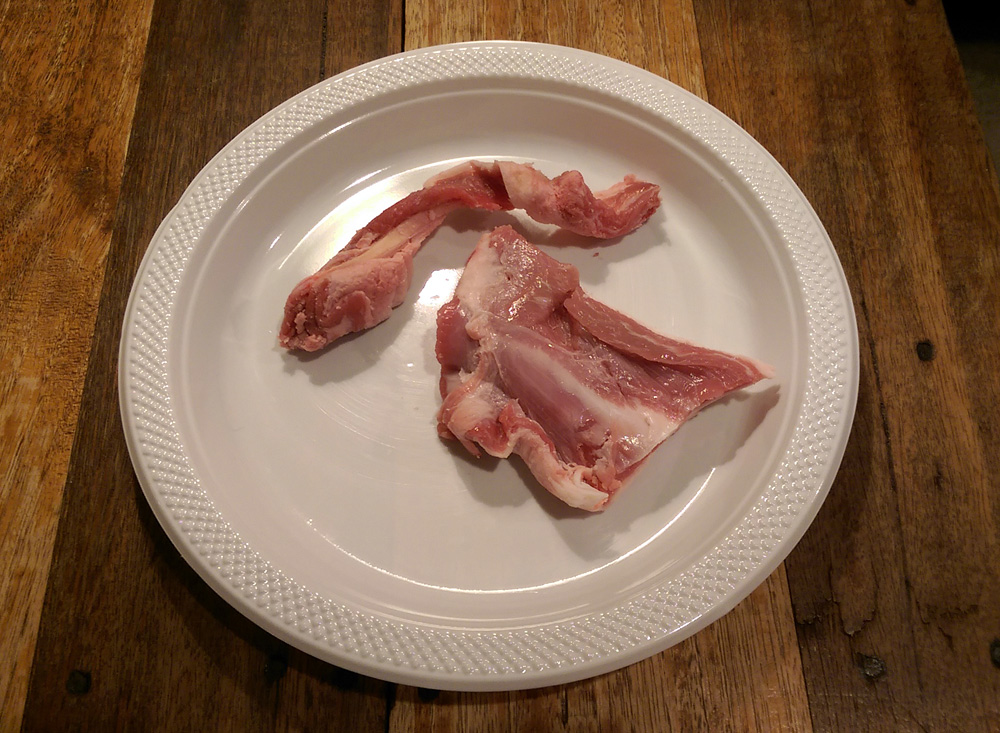
Below you can see the trail camera set up on an old tripod.The tripod is useful because it can sit anywhere, the legs can be adjusted for uneven ground, and the camera can be tilted to point at any angle. The bait in this photo is pet grade raw lamb on a white disposable dinner plate. I used the plate so I could see clearly in the photos where the bait is, as it can be hard to see on the ground surrounded by grass. The front door of the camera is still open, it would be closed when it's finished being set up for the night.
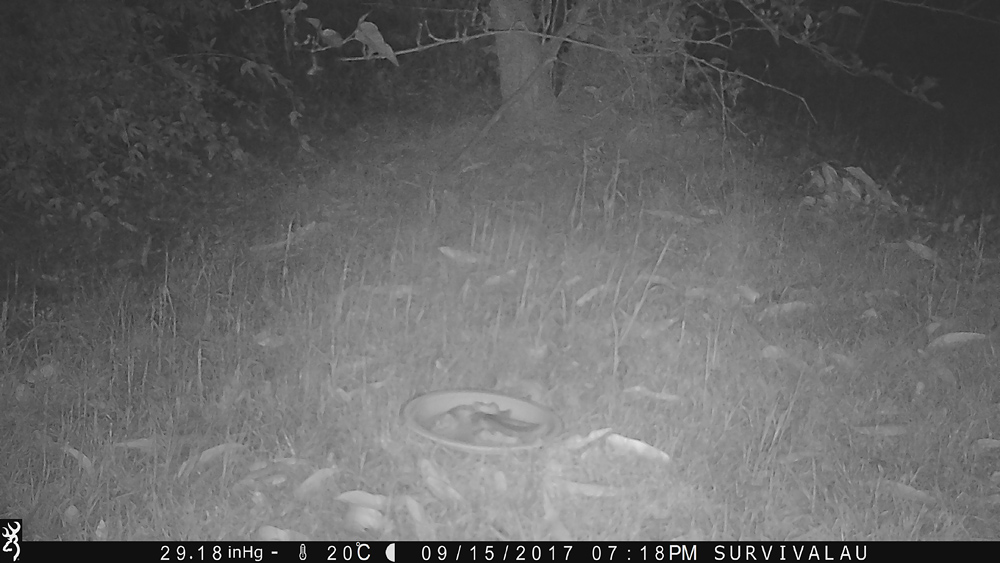
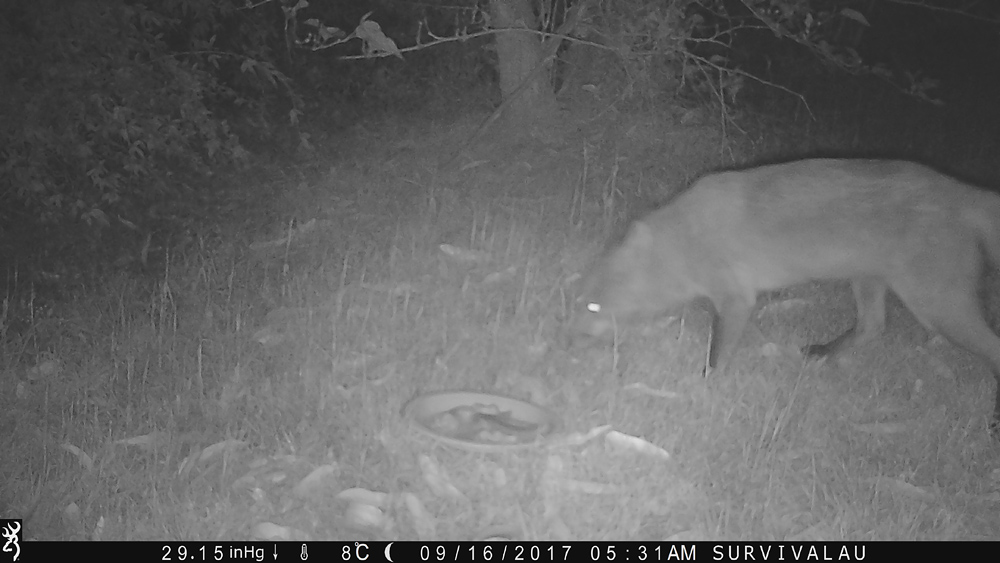
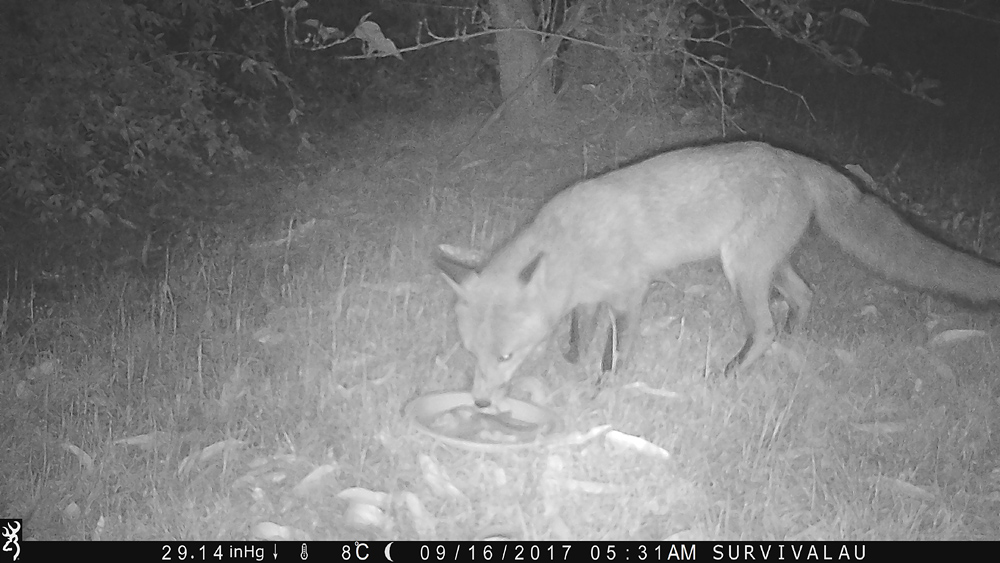
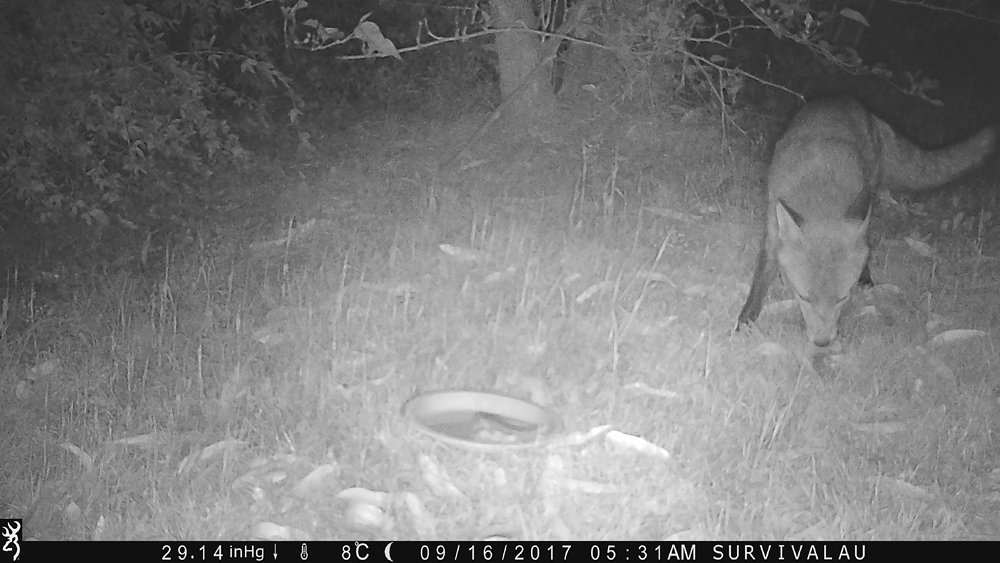
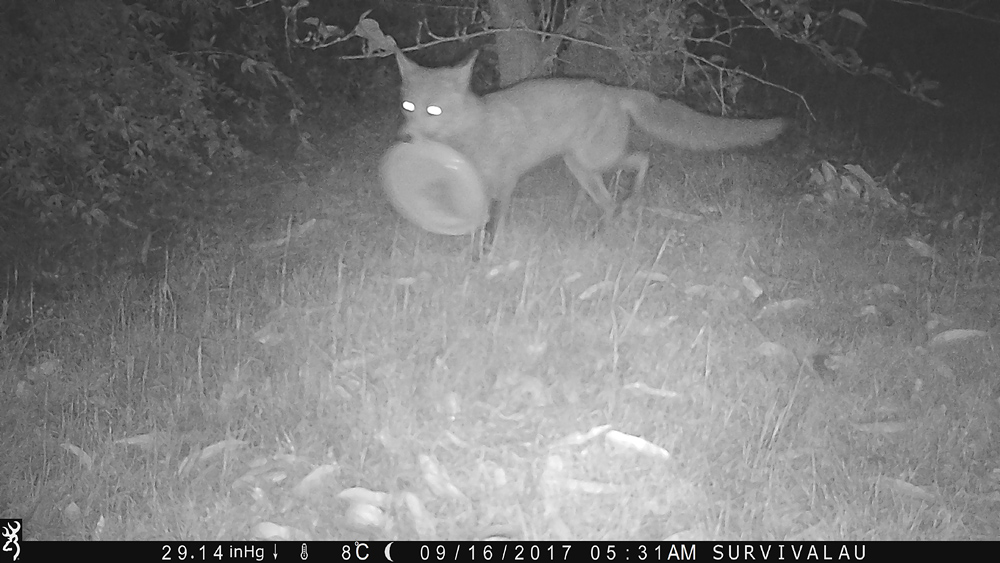
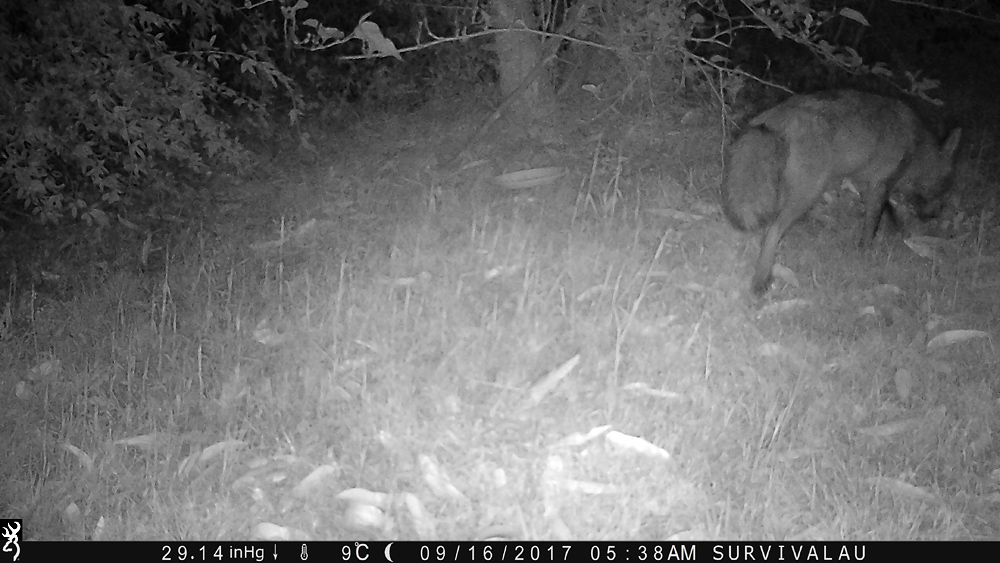
Of course you could hide the camera much better. You could also take measures (like in real trapping) to hide your scent from getting on the camera and (especially) on and near the bait. However such measures aren't always necessary. It can be as easy as this simple setup to take pictures of animals. The exact setup as pictured here, in a suburban backyard with a very small patch of bush at the back, captured the fox photos seen further down the page. It doesn't get much easier than this. You can always increase the difficulty later (by going after rarer animals for example). Getting results early on with minimal effort makes it easy to stay interested and motivated.
Of course using a trail camera is not a completely realistic practice, as you don't get to find out if your actual traps would have been triggered, and if they were triggered, would the animal have been actually caught. But there are other advantages — things you don't get the benefit of without the trail camera. Of course if you lived in an area where you can really trap things, and even if you're setting an indoor mouse or rat trap, you can still use the trail camera to learn a lot of additional things which you wouldn't know otherwise. Like exactly what time the animals come. Like how they move and behave when approaching the trap. Like if the trap fails to catch the animal, you can see how it all happens on your photos or video.
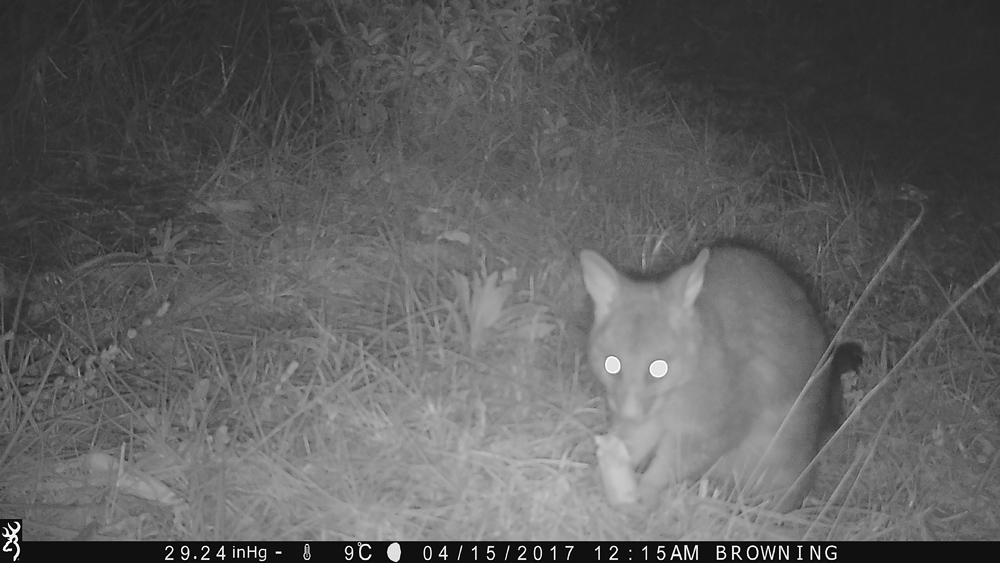
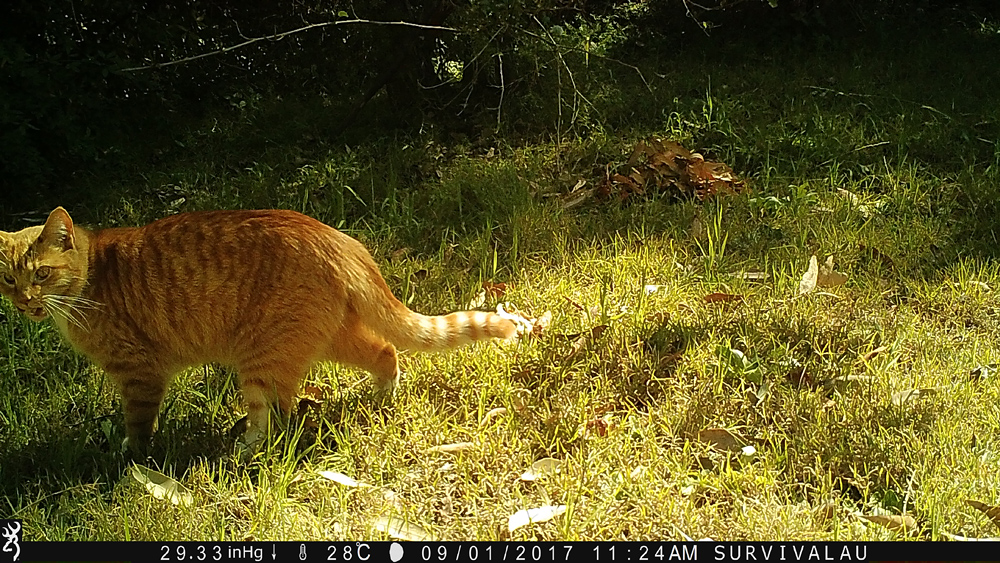
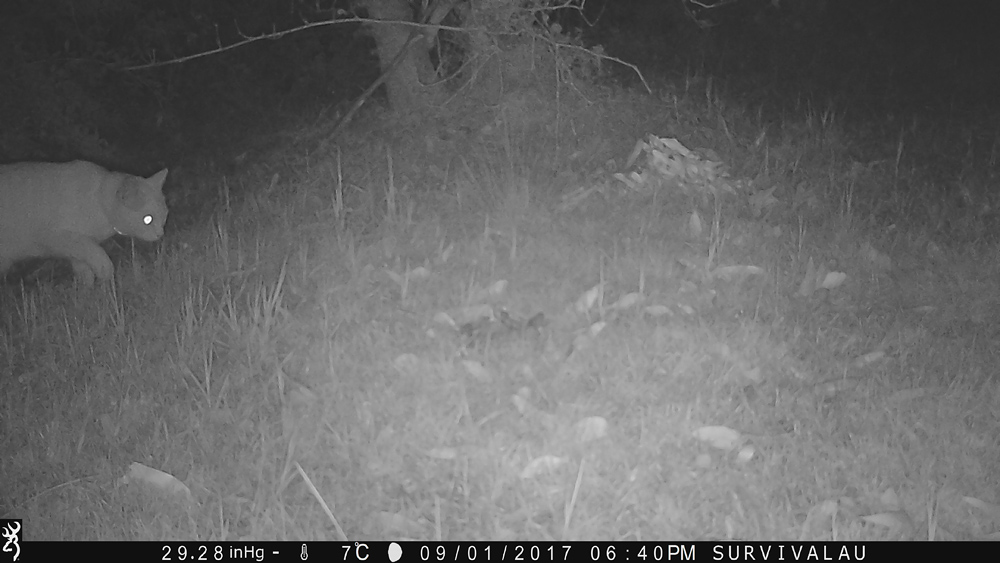
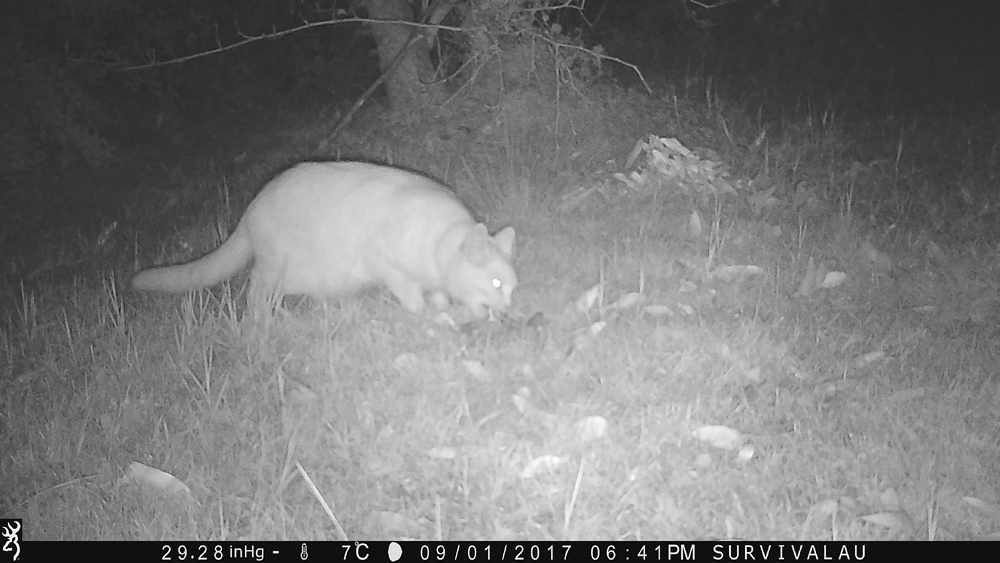
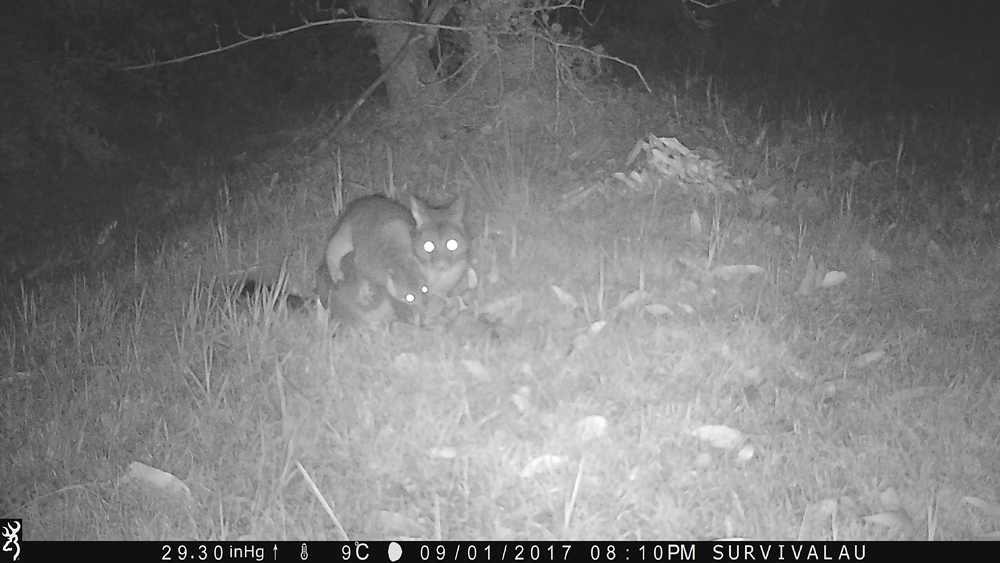
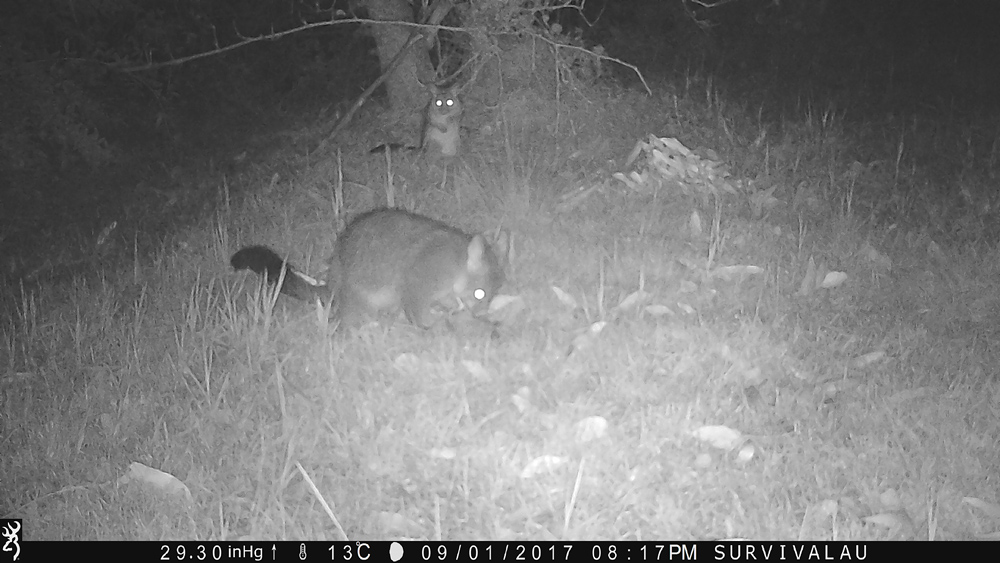
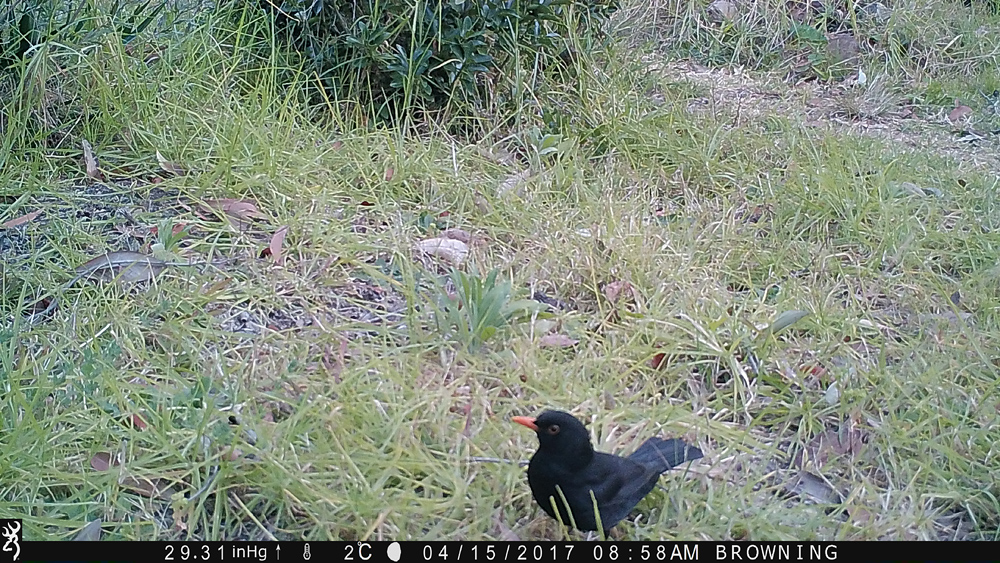
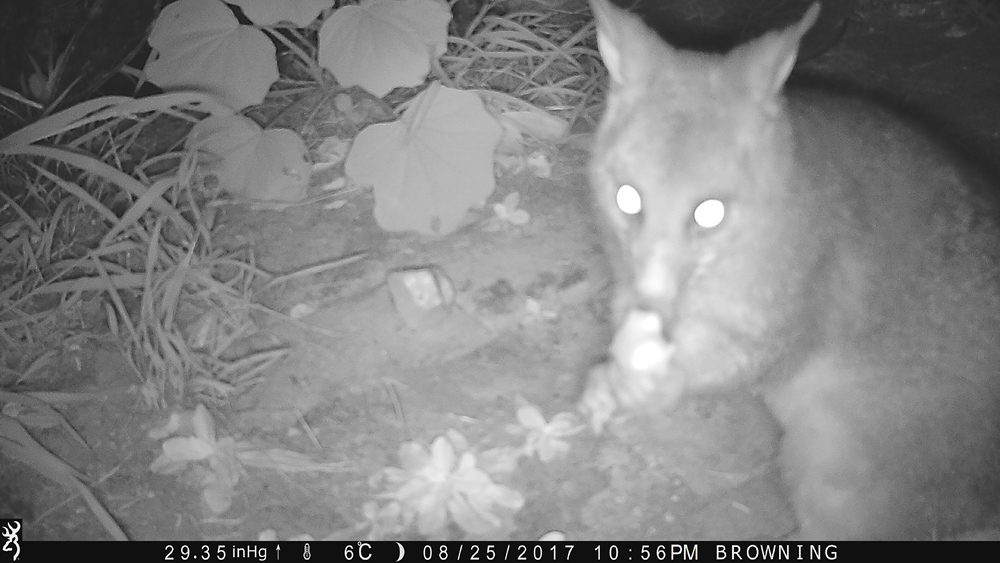
On my trail camera the temperature recorded on the photo isn't precisely accurate. Still it's much better than having no temperature information. The phase of the moon is shown correctly. I haven't checked how accurate the atmospheric pressure reading is.
When I was a young child, I remember watching TV documentaries where they had used hidden cameras to record animals doing things. It seemed so amazing, that there could be technology capable of doing that. It was so far out of my own reach (or that of most people with normal incomes and wealth) it might as well have been showing hidden cameras used in the NASA space program. And now this level of technology is easily affordable by nearly everyone in modern society.
When deciding which brand and model of trail camera to purchase, the main thing I looked for, other than just the overall quality, was did it have a completely invisible flash? Some models (especially the cheapest ones) which have "infrared" flash are still visible to the eye when they flash. Presumably most of the light is being emitted in the infrared, but there's some just ordinary red light which is also emitted, and you can see that when it flashes. The better ones have a completely invisible flash, meaning that all the light emitted by the flash is in the infrared part of the spectrum. Although when I've caught images of possums, often the possum was staring directly at the trail camera — and there seemed to be too many of these photos to be just coincidence. And I wondered if the possum's eyes could maybe see some of the light from the flash. It didn't seem scared by it though (because there were plenty more pictures of the possum after it was looking right at the camera).
When I got my trail camera, and started to look at the manual and the menus to set it up, I was a bit disappointed that it could only be set to take still photos or video, but not to take both in the same session. However, after I thought about it, I guess this is logical. Since the camera can't do two things at once. And it wouldn't know which of the two it was supposed to do after detecting motion. If you really wanted both still pictures and video of the same event, you could use two trail cameras. Or use frame captures from the video, though the quality of these would be less than actual still pictures. I have the trail camera set to take still pictures every 5 seconds, which is the shortest interval in the menu. There is some risk of your trail camera being stolen, so you need to be careful to set it up to minimise the chance of this. While annoying, this is actually part of the practice for real trapping — since you wouldn't want your potential dinner being taken by another animal or person before you retrieve it.
On this occasion there were 24 pictures of the red fox captured in total, all between 5:31 and 5:38 am. Trail Cameras
See AlsoOverview of Animal Foods animals camera cameras flash high infrared learn night photo photos pictures resolution trail trap trapping video Content is copyright © Survival.org.au 2005-2025 All Rights Reserved. Terms of Use. Definitely read the disclaimer before trying anything from this website, especially including the practices and skills. This website uses affiliate links – this doesn't cost you any more, but I get a commission on purchases made through the website. As an Amazon Associate I earn similarly from qualifying purchases. |
|||||||||||||||||||||
 |
 NEW
NEW